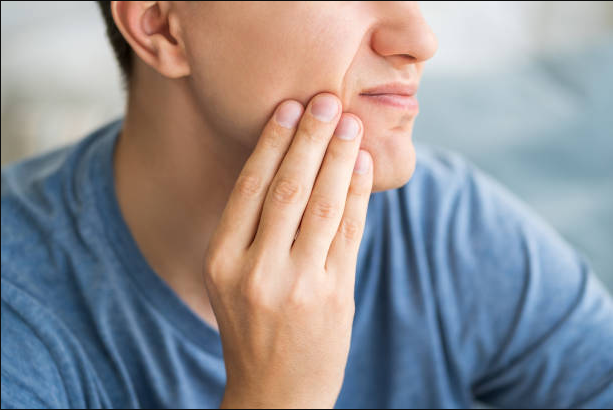
If you’re asking yourself, why does the roof of my mouth hurt when eating, you’re not alone. Pain or discomfort in the palate—the upper surface inside your mouth—is a common issue that can arise from several causes, such as burns, infections, or irritation. Because this area is sensitive and constantly exposed to food, temperature changes, and bacteria, even minor problems can feel severe. Understanding the causes and knowing how to treat them can help you find quick and lasting relief.
Understanding Why Does the Roof of My Mouth Hurt When Eating
When you wonder why does the roof of my mouth hurt when eating, it usually means the soft tissues on your hard or soft palate have been irritated or inflamed. The palate plays a key role in chewing, swallowing, and speech, so any pain there can interfere with daily activities. The pain may be mild and temporary or persistent, depending on the underlying issue.
To, find out more visit roofofmouthhurts.com
Common Causes of Roof of Mouth Pain When Eating
- Burns from Hot Food or Drinks
One of the most frequent reasons why does the roof of my mouth hurt when eating is because of thermal burns. Eating foods that are too hot, like pizza, soup, or coffee, can burn the delicate tissue on the palate. This results in redness, swelling, and soreness that can last several days. - Canker Sores or Mouth Ulcers
Canker sores (aphthous ulcers) can form on the roof of the mouth and make eating painful, especially when consuming acidic or spicy foods. These small, round sores are often caused by stress, injury, or nutritional deficiencies. If you notice one, it could explain why does the roof of my mouth hurt when eating. - Dehydration or Dry Mouth
A dry mouth can make your palate more vulnerable to irritation. When there’s not enough saliva to lubricate and protect tissues, eating certain foods can cause friction and discomfort. If you frequently feel dryness or a sticky sensation in your mouth, dehydration might be the reason why does the roof of my mouth hurt when eating. - Oral Infections
Fungal infections (oral thrush), bacterial infections, or viral infections can all cause inflammation and pain in the mouth. For example, oral thrush produces white patches that can make the roof of the mouth sore and sensitive, particularly during meals. - Allergic Reactions
Some people experience mouth pain as part of an allergic reaction to certain foods, including nuts, shellfish, or dairy. Allergic responses can lead to swelling, itching, and pain, making you wonder why does the roof of my mouth hurt when eating. - Dental or Sinus Issues
Sometimes, pain in the roof of the mouth is actually referred pain from sinus infections, tooth abscesses, or gum inflammation. Because the upper teeth and palate share nerve pathways, these issues can make eating painful even when the palate itself isn’t injured. - Irritation from Sharp or Rough Foods
Hard foods like chips, crackers, or crusty bread can scrape or irritate the soft tissues of the palate. Even minor abrasions can make the roof of the mouth hurt while eating or drinking.
Symptoms Associated with Roof of Mouth Pain
When you experience roof of mouth pain while eating, you may also notice:
- Redness or swelling on the palate
- White or yellow sores (canker sores or thrush)
- Dryness or burning sensations
- Pain when swallowing or chewing
- Soreness near the upper teeth or gums
Home Remedies for Relief
- Salt Water Rinse
Rinsing your mouth with warm salt water can reduce bacteria and inflammation, helping soothe pain naturally. - Cold Compress or Ice Chips
Holding a cold compress to the outside of your mouth or sucking on ice chips can numb the area and reduce swelling. - Avoid Hot, Spicy, and Acidic Foods
Stick to cool, soft foods like yogurt, smoothies, or soups served warm (not hot) to prevent further irritation. - Stay Hydrated
Drink plenty of water throughout the day to maintain healthy saliva flow and protect your palate. - Use Antiseptic Mouthwash or Oral Gel
An alcohol-free antiseptic mouthwash or topical gel containing benzocaine or lidocaine can help relieve pain and prevent infection.
Medical Treatments for Persistent Pain
If the question why does the roof of my mouth hurt when eating persists for more than a week, consult a dentist or doctor. Depending on the diagnosis, treatments may include:
- Antibiotics for bacterial infections
- Antifungal medications for oral thrush
- Topical corticosteroids to reduce inflammation
- Allergy testing and treatment if food allergies are suspected
- Dental procedures for abscesses or gum infections
Prevention Tips
To prevent the roof of your mouth from hurting in the future:
- Allow food and beverages to cool before eating.
- Maintain good oral hygiene with regular brushing and flossing.
- Avoid tobacco and alcohol, as these can irritate oral tissues.
- Manage stress and eat a balanced diet rich in vitamins and minerals.
- Schedule regular dental checkups to catch problems early.
When to Seek Medical Help
You should see a healthcare professional if the pain lasts longer than a week, if you notice white patches, sores, or swelling, or if it’s accompanied by fever or difficulty swallowing. These could indicate a more serious oral health condition.
Conclusion
If you’re wondering why does the roof of my mouth hurt when eating, the cause is often minor—like burns, dryness, or small sores—but it can also point to infections or allergies. By practicing good oral hygiene, staying hydrated, and avoiding irritants, you can often relieve the pain at home. However, persistent discomfort should be checked by a professional to ensure proper treatment and to prevent future problems.
FAQs
1. Why does the roof of my mouth hurt when eating spicy food?
Spicy foods can irritate sensitive palate tissues, especially if they’re already dry or slightly inflamed.
2. Can dehydration cause pain in the roof of the mouth when eating?
Yes, lack of moisture in the mouth can make tissues more prone to irritation and discomfort while eating.
3. Why does the roof of my mouth hurt when eating hot foods?
Hot foods can cause thermal burns to the soft tissue of the palate, leading to soreness and redness.
4. Can dental infections cause pain in the roof of the mouth?
Yes, tooth abscesses or gum infections in the upper jaw can radiate pain to the roof of your mouth.
5. How long does it take for a sore roof of the mouth to heal?
Most mild irritation or burns heal within 3–7 days, but persistent pain should be evaluated by a dentist.
Why Does the Roof of My.Mouth Hurt When I Eat: Causes, Symptoms, and Treatment
If you’ve been wondering why does the roof of my.mouth hurt when I eat, you’re not alone. Pain in the roof of the mouth, also known as the palate, is a common issue that can arise due to several factors such as burns, infections, or irritation. Because the palate is highly sensitive and constantly exposed to food and drink, even minor injuries or inflammation can cause significant discomfort. Understanding the causes and finding appropriate treatment is essential for long-term relief.