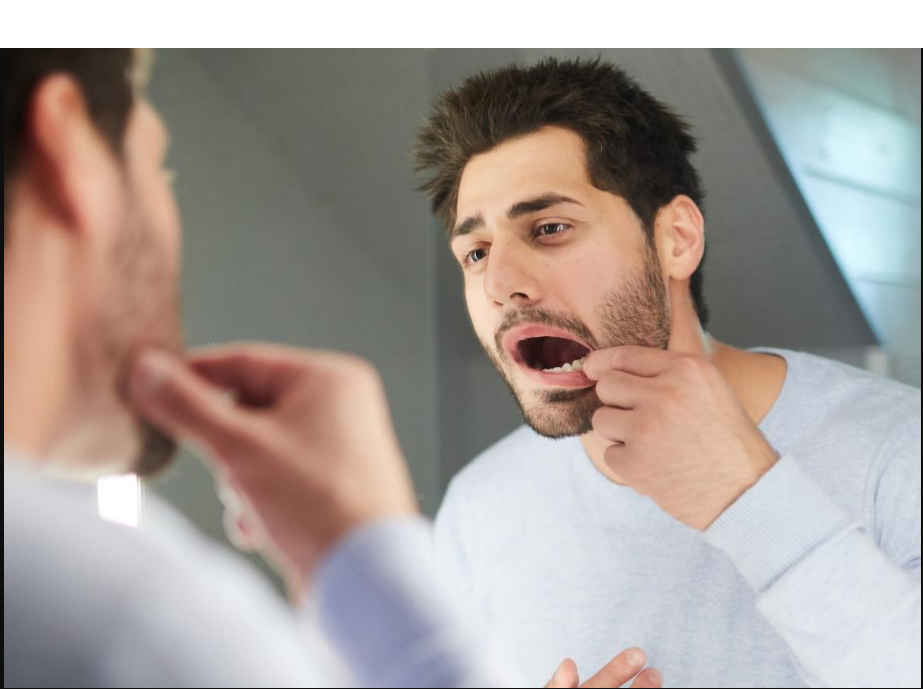
If you’ve ever wondered why when I eat the roof of my mouth hurts, you’re not alone. This common oral issue affects many people and can result from several causes, including burns, infections, or dehydration. The roof of the mouth, also known as the palate, is a delicate area that can easily become irritated or inflamed. Understanding the reasons behind this discomfort and how to treat it can help prevent long-term oral problems.
Understanding Why When I Eat the Roof of My Mouth Hurts
When someone says “when I eat the roof of my mouth hurts,” it usually means the soft or hard palate becomes sensitive when exposed to certain foods or temperatures. The pain may be mild or severe, and it can make eating, swallowing, or even talking uncomfortable. This condition might be temporary, such as from a minor burn, or a symptom of something more serious like oral thrush or sinus infections.
To, find out more visit roofofmouthhurts.com
Common Causes of Roof of Mouth Pain
There are several possible explanations for why when I eat the roof of my mouth hurts. Understanding these causes can help identify the right treatment.
1. Burns from Hot Food or Drinks
One of the most common reasons is consuming hot coffee, tea, or pizza, which can burn the palate. The burned tissue becomes red, swollen, and sore for several days.
2. Canker Sores or Mouth Ulcers
Canker sores are small, painful lesions that can form on the roof of the mouth. They are often triggered by stress, injuries, or vitamin deficiencies and can cause discomfort while eating.
3. Dehydration and Dry Mouth
When the body is dehydrated, the saliva production decreases, leading to dryness and irritation. The lack of moisture can make the roof of the mouth sensitive, explaining why when I eat the roof of my mouth hurts.
4. Sinus Infections
A sinus infection (sinusitis) can cause inflammation and pressure in the upper part of the mouth. This pain may worsen when chewing or swallowing.
5. Oral Thrush (Yeast Infection)
Oral thrush occurs when Candida yeast overgrows in the mouth, creating white patches on the palate. These patches can cause a burning sensation and pain, especially when eating.
6. Allergic Reactions or Irritants
Certain foods, such as nuts, dairy, or spicy ingredients, can trigger allergic reactions or irritate the mouth lining, leading to discomfort.
Symptoms That Accompany Roof of Mouth Pain
When analyzing why when I eat the roof of my mouth hurts, you may also notice additional symptoms that help determine the cause, such as:
- Redness or swelling in the mouth
- White spots or lesions (common with thrush)
- Burning or tingling sensation
- Dryness or cracked tissues
- Difficulty swallowing or speaking
Recognizing these signs early is important for getting the right treatment.
Home Remedies for Relief
If you’re experiencing mild discomfort and wondering what to do when when I eat the roof of my mouth hurts, these simple home remedies can help soothe the pain.
1. Cold Compress or Ice Chips
Applying a cold compress or sucking on ice chips can reduce swelling and numb pain caused by burns or irritation.
2. Saltwater Rinse
Rinsing your mouth with warm saltwater helps fight bacteria and promotes healing. Use it two to three times a day for best results.
3. Stay Hydrated
Drink plenty of water throughout the day to keep your mouth moist and support healing. Avoid caffeinated and alcoholic beverages that can worsen dryness.
4. Avoid Spicy or Acidic Foods
Stay away from foods that can irritate the palate, such as hot soups, citrus fruits, or spicy dishes, until the pain subsides.
5. Use an Alcohol-Free Mouthwash
Gentle mouthwash can prevent infection and maintain oral hygiene without causing stinging or dryness.
Medical Treatments for Persistent Pain
If when I eat the roof of my mouth hurts for more than a week or worsens, it’s best to consult a dentist or doctor. Depending on the underlying cause, treatments may include:
- Antifungal medication for oral thrush
- Antibiotics for bacterial infections
- Prescription mouth rinses for inflammation
- Saliva substitutes for chronic dry mouth
Your healthcare provider can identify the root cause and suggest the right treatment to relieve the pain effectively.
Prevention Tips
To prevent recurring mouth pain and avoid situations where when I eat the roof of my mouth hurts, follow these tips:
- Let hot food and drinks cool before consuming them
- Maintain good oral hygiene with regular brushing and flossing
- Drink plenty of fluids to prevent dehydration
- Avoid irritating foods or known allergens
- Visit your dentist regularly for oral checkups
When to See a Doctor
Seek medical attention immediately if you experience:
- Persistent pain lasting longer than a week
- Swelling or bleeding in the roof of the mouth
- White patches that don’t go away
- Fever or difficulty swallowing
These symptoms could signal an infection or another serious condition requiring professional care.
Conclusion
Understanding why when I eat the roof of my mouth hurts helps identify both the cause and the appropriate treatment. While minor burns or irritation can heal with simple home remedies, ongoing pain may indicate a deeper issue like oral thrush or sinus infections. Maintaining good oral hygiene, staying hydrated, and avoiding irritants can prevent most cases. However, if symptoms persist, seeking medical advice ensures proper diagnosis and long-term relief.
FAQs
1. Why does the roof of my mouth hurt after eating spicy food?
Spicy foods can irritate the soft tissues, causing inflammation and pain in the palate.
2. Can dehydration make the roof of my mouth hurt?
Yes, dehydration leads to dryness, reducing saliva and increasing mouth sensitivity.
3. How long does it take for a burned palate to heal?
Minor burns typically heal within 3 to 7 days with proper care and hydration.
4. Can sinus infections cause pain in the roof of the mouth?
Yes, sinus pressure can radiate pain to the upper mouth, especially when swallowing.
5. When should I see a dentist for roof of mouth pain?
If the pain lasts more than a week or you notice white patches, swelling, or sores, visit a dentist for evaluation.