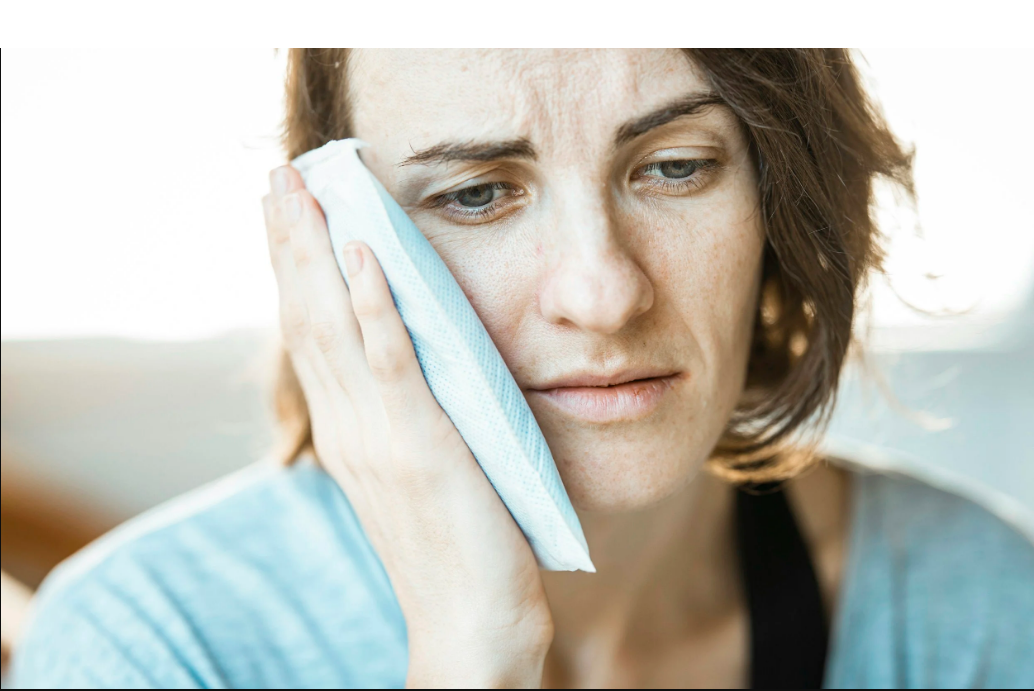
Feeling pain in your mouth while eating can be both frustrating and concerning. When the roof of my mouth hurts when I eat, it can interfere with enjoying food and may indicate an underlying oral issue. The roof of the mouth, known as the palate, is made up of delicate tissue that can become irritated or inflamed due to several reasons, including burns, infections, ulcers, or allergies. Understanding why the roof of my mouth hurts when I eat is important to find effective treatment and prevent further discomfort.
Understanding Why the Roof of My Mouth Hurts When I Eat
When the roof of my mouth hurts when I eat, it usually means that something is irritating or damaging the sensitive mucous membranes that line the palate. This pain might be triggered by hot, spicy, or acidic foods, infections, or trauma caused by sharp or rough foods. In some cases, it may also indicate a more serious problem like a mouth ulcer, abscess, or oral thrush. The intensity of pain can vary—sometimes it’s mild and temporary, while other times it’s persistent and severe enough to affect daily eating habits.
To, find out more visit roofofmouthhurts.com
Common Causes Why the Roof of My Mouth Hurts When I Eat
- Burns from Hot Food or Drinks
One of the most frequent reasons why the roof of my mouth hurts when I eat is due to burns caused by consuming excessively hot foods or beverages. Foods like pizza, coffee, or soup can scorch the palate, leading to redness, blisters, or peeling. These burns generally heal within a few days if left undisturbed. - Canker Sores (Aphthous Ulcers)
Canker sores are small, painful ulcers that can develop anywhere in the mouth, including the roof. They can make eating uncomfortable, especially when consuming spicy or acidic foods. Stress, nutritional deficiencies, and minor mouth injuries are common triggers. - Oral Thrush (Yeast Infection)
Oral thrush, a fungal infection caused by Candida albicans, can make the roof of my mouth hurts when I eat because it creates white patches, soreness, and a burning sensation. It is more common in people with weakened immune systems, those taking antibiotics, or individuals using inhalers without rinsing their mouths afterward. - Dehydration and Dry Mouth
When the mouth lacks moisture, the tissues on the roof can become dry, cracked, and irritated. Dehydration, excessive caffeine, or certain medications can cause this condition, making the mouth feel sore during meals. - Allergic Reactions or Food Sensitivity
An allergic reaction to specific foods or additives can cause swelling or inflammation in the palate. When the roof of my mouth hurts when I eat, it might be due to sensitivity to foods like nuts, shellfish, or certain preservatives. - Infections or Abscesses
A dental abscess or sinus infection can radiate pain to the roof of the mouth, especially when chewing. If accompanied by fever, bad breath, or swelling, it requires professional evaluation. - Trauma or Injury
Accidental injury from sharp foods, hard candy, or dental devices can irritate the roof of the mouth, making it painful during eating.
Symptoms Associated with Pain in the Roof of the Mouth
When the roof of my mouth hurts when I eat, other symptoms may appear depending on the cause. These include:
- Swelling or redness in the palate
- Burning or tingling sensations
- White patches (indicating thrush)
- Small ulcers or blisters
- Pain when swallowing or talking
- Fever or bad taste in the mouth (if infection is present)
Treatment Options When the Roof of My Mouth Hurts When I Eat
The treatment for when the roof of my mouth hurts when I eat depends on the underlying cause. Here are the most effective remedies and medical treatments:
- Cool Compress or Ice Chips: Helps reduce inflammation and soothe burns.
- Saltwater Rinse: Mix a teaspoon of salt in warm water and rinse to disinfect the mouth naturally.
- Topical Oral Gels: Use gels containing benzocaine or lidocaine to numb the sore area temporarily.
- Antifungal or Antibiotic Medications: Prescribed when infections like thrush or bacterial abscesses are diagnosed.
- Hydration: Drink plenty of water to keep the mouth moist and promote healing.
- Avoid Irritating Foods: Stay away from spicy, acidic, or overly hot meals that worsen pain.
- Good Oral Hygiene: Brush gently and floss daily to prevent bacterial buildup.
Prevention Tips
You can prevent situations where the roof of my mouth hurts when I eat by adopting a few simple oral care habits:
- Always allow hot food or beverages to cool before consuming.
- Maintain proper oral hygiene to avoid infections.
- Stay hydrated throughout the day.
- Manage stress and eat a balanced diet rich in vitamin B12, zinc, and iron.
- Avoid tobacco, alcohol, and spicy foods, which can irritate the mouth lining.
- Schedule regular dental checkups to detect early signs of oral health problems.
When to See a Doctor
If the roof of my mouth hurts when I eat for more than a week, or if you experience swelling, fever, or persistent sores, it’s essential to see a dentist or healthcare provider. These could indicate infections, autoimmune conditions, or even precancerous changes that require prompt attention.
Conclusion
When the roof of my mouth hurts when I eat, it can stem from something as simple as a burn or as serious as an infection. While minor causes heal on their own, recurring or severe pain should never be ignored. Taking preventive steps, maintaining good oral hygiene, and seeking professional care when needed can help restore comfort and prevent long-term damage. Always listen to your body—persistent pain is your mouth’s way of asking for attention.
FAQs
1. Why does the roof of my mouth hurt when I eat hot food?
Hot food can burn the delicate tissues of your palate, causing blisters or inflammation that make eating painful.
2. Can dehydration cause the roof of my mouth to hurt when I eat?
Yes, dehydration can dry out mouth tissues, leading to soreness or sensitivity while eating.
3. How long does it take for the roof of my mouth to heal after a burn?
Mild burns usually heal within 3–5 days, but deeper burns may take up to a week or longer.
4. Should I see a dentist if the pain doesn’t go away?
Yes, if the roof of my mouth hurts when I eat for over a week, consult a dentist to rule out infections or ulcers.5. What foods should I avoid when my mouth is sore?
Avoid spicy, acidic, crunchy, or very hot foods that can further irritate the sore area.