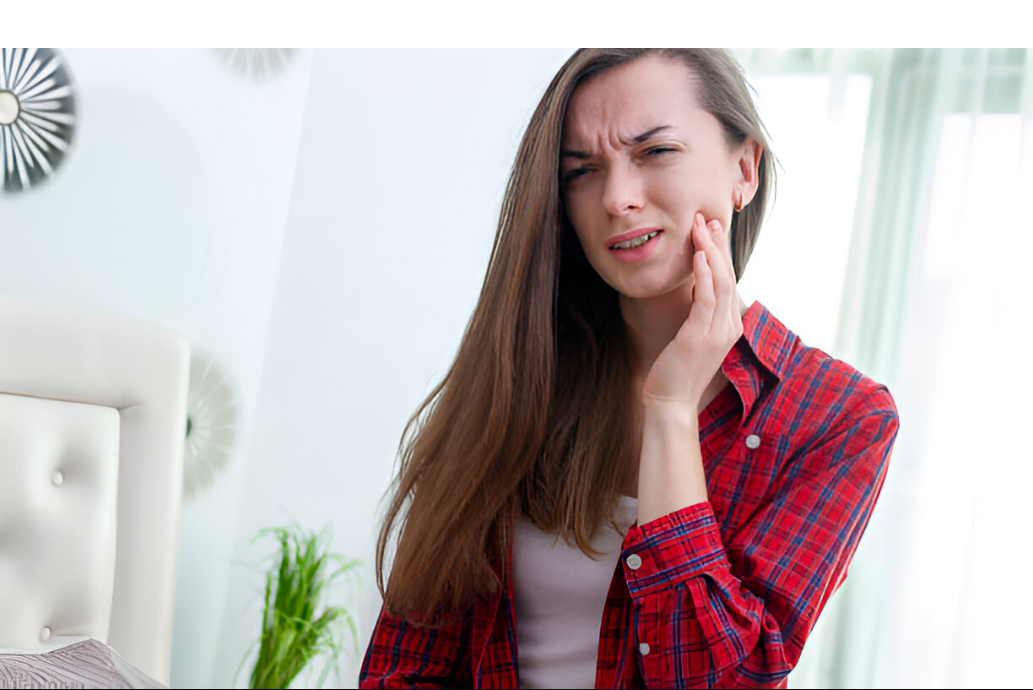
When a spot on roof of mouth hurts, it can make eating, drinking, and even talking uncomfortable. This type of oral discomfort often signals irritation, infection, or minor injury to the delicate tissue that lines the palate. While in most cases a sore or painful spot is temporary, it’s important to understand the possible causes and treatment options to prevent complications. If the spot on roof of mouth hurts persistently, it may indicate an underlying health issue that requires medical attention.
Understanding Why Spot on Roof of Mouth Hurts
The roof of the mouth, or palate, consists of the hard palate in the front and the soft palate at the back. When a spot on roof of mouth hurts, it usually occurs due to inflammation, infection, or trauma to these tissues. The pain might be sharp, burning, or throbbing, depending on the cause. Some people may also notice swelling, redness, or a small bump or ulcer in the affected area.
To, find out more visit roofofmouthhurts.com
Common Causes of Spot on Roof of Mouth Hurts
There are several reasons why a spot on roof of mouth hurts, ranging from minor irritation to more serious oral conditions. Here are the most common causes:
1. Canker Sores (Aphthous Ulcers)
Canker sores are small, painful ulcers that can appear anywhere inside the mouth, including the roof. When a spot on roof of mouth hurts, a canker sore is often the culprit. These sores can be triggered by stress, hormonal changes, or minor injuries from food or dental tools. They usually appear white or yellow with a red border and heal within one to two weeks.
2. Burns from Hot Food or Drinks
One of the most common causes of a spot on roof of mouth hurts is a thermal burn from consuming very hot food or beverages. The tissue in this area is sensitive, and burns can lead to blistering, swelling, and soreness. The discomfort typically subsides within a few days as the tissue heals naturally.
3. Infections (Viral or Bacterial)
When the spot on roof of mouth hurts, infections such as oral herpes, strep throat, or sinus infections may be responsible. Viral infections can cause painful blisters or ulcers, while bacterial infections often lead to redness, swelling, and a sore palate. If you notice fever or swollen lymph nodes, medical attention is necessary.
4. Oral Thrush (Candidiasis)
Oral thrush, a fungal infection caused by Candida albicans, can lead to white patches or painful spots on the palate. If your spot on roof of mouth hurts and appears white or creamy, thrush might be the cause. It commonly occurs in people with weakened immune systems, diabetes, or those taking antibiotics or inhaled steroids.
5. Mouth Injuries or Irritation
Accidentally biting or scratching the roof of your mouth, or irritation from sharp food particles, can result in a sore spot. When a spot on roof of mouth hurts after eating crunchy foods or brushing roughly, the injury may be mechanical rather than infectious.
6. Allergies or Sensitivities
Certain food allergies or reactions to dental products can cause irritation in the mouth. Ingredients like sodium lauryl sulfate (SLS) in toothpaste or spicy foods can lead to painful spots or burning sensations on the roof of the mouth.
Symptoms That Accompany Spot on Roof of Mouth Hurts
When the spot on roof of mouth hurts, other symptoms may appear, including:
- Redness or swelling in the affected area
- Small white or yellow ulcers
- Burning or tingling sensation
- Difficulty eating or swallowing
- Dryness or sore throat
If these symptoms last longer than a week or worsen, a dentist or doctor should evaluate them.
Home Remedies for Spot on Roof of Mouth Hurts
For mild cases when a spot on roof of mouth hurts, home remedies can help relieve pain and speed up healing:
- Saltwater rinse – Mix half a teaspoon of salt in warm water and gargle to reduce inflammation.
- Cold compress or ice chips – Helps numb pain and minimize swelling.
- Honey or aloe vera gel – Both have soothing and antibacterial properties.
- Avoid spicy, acidic, and hot foods – These can worsen irritation.
- Maintain good oral hygiene – Brush gently and rinse after meals to prevent infection.
Medical Treatments
If the spot on roof of mouth hurts for more than a week or is severe, medical treatment may be required. Common options include:
- Topical ointments or gels (like benzocaine) to relieve pain.
- Antiviral or antifungal medications for infections.
- Antibiotics if bacterial infection is confirmed.
- Steroid mouth rinses to reduce inflammation.
- Allergy management if the soreness is due to hypersensitivity.
Prevention Tips
To prevent conditions where a spot on roof of mouth hurts, follow these preventive measures:
- Avoid very hot foods and drinks.
- Use a soft-bristled toothbrush to prevent irritation.
- Stay hydrated to keep oral tissues moist.
- Eat a balanced diet rich in vitamins, especially B12 and C.
- Manage stress which can trigger mouth ulcers.
When to See a Doctor
Consult a healthcare provider if the spot on roof of mouth hurts and you notice:
- The sore lasts longer than two weeks.
- Bleeding or pus is present.
- You experience difficulty swallowing or speaking.
- There are multiple recurring sores or white patches.
Conclusion
When a spot on roof of mouth hurts, it is usually caused by minor issues like burns, ulcers, or irritation. However, persistent or recurring pain can point to infections such as thrush or strep throat. Understanding the cause and applying appropriate remedies—whether home-based or medical—can help relieve pain and promote healing. Always maintain good oral hygiene and seek medical advice if the pain persists to ensure long-term oral health.
FAQs
1. Why does a spot on the roof of my mouth hurt?
It could be due to burns, canker sores, infections, or irritation from food or dental products.
2. How long does it take for a sore spot on the roof of the mouth to heal?
Most minor sores heal within 7 to 10 days, depending on the cause.
3. Can allergies cause a painful spot on the roof of the mouth?
Yes, allergic reactions to certain foods or dental care products can cause mouth irritation.
4. Should I see a dentist if the spot on my roof of mouth hurts?
Yes, especially if the pain lasts longer than a week or is accompanied by swelling or fever.
5. How can I prevent a spot on roof of mouth from forming again?
Avoid hot foods, maintain oral hygiene, and use gentle toothpaste to protect the palate.