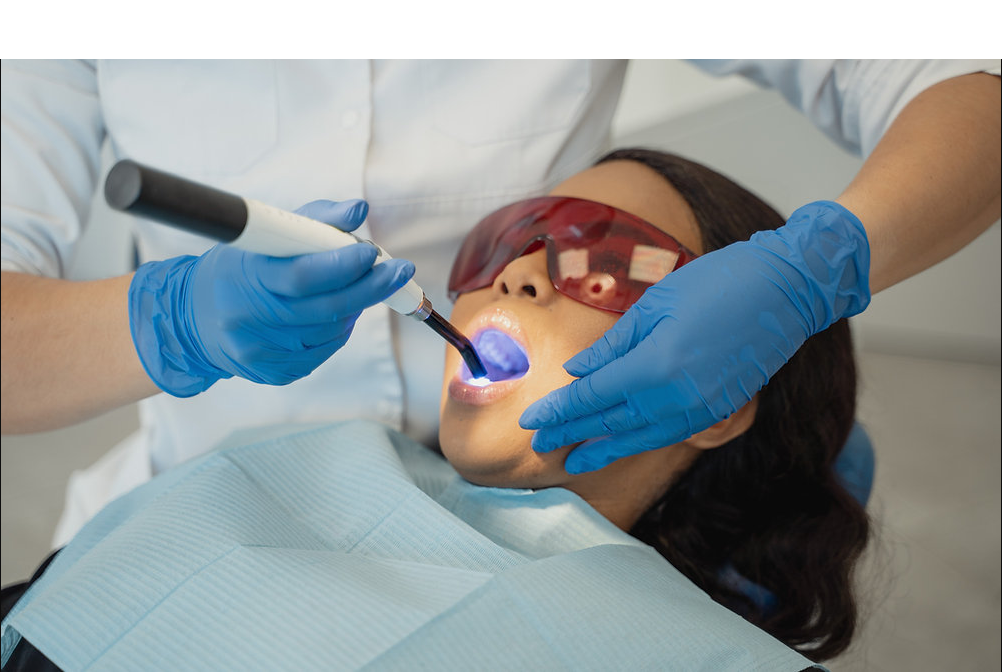
Experiencing roof of mouth hurting can be quite uncomfortable, especially when eating, drinking, or speaking. This condition may result from something as simple as irritation or as serious as infection or an underlying health issue. The roof of the mouth, also known as the palate, consists of two parts — the hard palate in the front and the soft palate at the back. When either becomes sore, inflamed, or swollen, it can lead to persistent pain and discomfort. Understanding the causes, symptoms, and remedies for roof of mouth hurting is essential for proper care and quick relief.
Understanding Why Roof of Mouth Hurting Occurs
The roof of mouth hurting is often a result of inflammation, injury, or infection. The mouth’s tissues are sensitive and easily affected by factors like hot food, dehydration, or viral infections. Sometimes, even a minor burn or irritation can cause pain that lasts for days. Identifying the reason behind your discomfort helps determine the right treatment and prevent further.
To, find out more visit roofofmouthhurts.com
Common Causes of Roof of Mouth Hurting
There are several possible reasons why the roof of mouth hurting occurs. Below are the most common ones:
1. Burns from Hot Food or Drinks
One of the leading causes of roof of mouth hurting is consuming hot food or beverages like coffee, soup, or pizza. The tissue on the roof of the mouth is delicate, and even brief contact with high temperatures can lead to burns, blisters, or peeling skin.
2. Canker Sores (Aphthous Ulcers)
Canker sores are small, painful ulcers that can form on the palate, tongue, or gums. They are usually round, white or yellow in the center, and red around the edges. Stress, minor mouth injuries, or acidic foods often trigger them. When present on the palate, they can make the roof of mouth hurting feel worse when you eat or swallow.
3. Infections
Bacterial or viral infections such as strep throat, sinusitis, or oral thrush can cause the roof of mouth hurting sensation. Oral thrush, a yeast infection caused by Candida albicans, creates white patches that can be painful and difficult to remove. Viral infections, on the other hand, often lead to soreness, swelling, and irritation.
4. Dehydration and Dry Mouth
A dry mouth can lead to friction and irritation on the roof of your mouth. When your body lacks adequate hydration or saliva production is reduced, the tissues become more prone to pain and sensitivity. This is commonly linked with mouth breathing, medication side effects, or dehydration.
5. Allergies and Irritants
Exposure to certain foods, dental products, or environmental allergens can cause inflammation in the oral cavity. If the roof of mouth hurting is accompanied by itching or swelling, it may be an allergic reaction to substances such as pollen, nuts, or toothpaste ingredients like sodium lauryl sulfate.
6. Injuries and Trauma
Accidental injury from sharp foods like chips or crusty bread can cause a sore spot or cut on the palate. Even poorly fitting dentures or dental appliances can irritate the tissue, making the roof of mouth hurting more persistent.
Symptoms That May Accompany Roof of Mouth Hurting
When you experience roof of mouth hurting, you may notice additional symptoms such as:
- Redness or swelling of the palate
- White patches or ulcers
- Burning or tingling sensation
- Difficulty eating or swallowing
- Dryness or sore throat
If these symptoms last for more than a week, it is advisable to consult a healthcare professional.
Effective Home Remedies for Roof of Mouth Hurting
For mild cases, several home remedies can soothe the pain and speed up healing:
- Saltwater rinse: Mix half a teaspoon of salt in a cup of warm water and rinse your mouth twice daily to reduce inflammation.
- Cold compress or ice chips: Applying cold temperatures helps numb pain and minimize swelling.
- Honey: Its natural antibacterial properties help heal burns and sores quickly.
- Aloe vera gel: Soothes irritation and promotes tissue repair.
- Stay hydrated: Drink plenty of water and avoid alcohol or caffeine, which can dry out your mouth.
Medical Treatment for Roof of Mouth Hurting
If home remedies do not provide relief, medical treatment may be necessary. Common treatment options include:
- Topical pain relievers such as benzocaine or lidocaine gels.
- Antibiotics or antifungal medications for infections.
- Antihistamines for allergy-related soreness.
- Mouth rinses prescribed to reduce inflammation or bacterial growth.
A doctor or dentist can diagnose the exact cause and suggest targeted treatment when roof of mouth hurting persists.
Prevention Tips
Preventing roof of mouth hurting involves simple lifestyle and oral hygiene practices:
- Avoid hot foods and beverages that may burn your palate.
- Practice good oral hygiene by brushing and flossing daily.
- Use a soft-bristled toothbrush to avoid irritation.
- Limit consumption of acidic or spicy foods.
- Stay hydrated and chew food slowly to avoid injury.
When to See a Doctor
Seek medical attention if:
- The pain lasts longer than 10 days.
- You notice white patches, swelling, or bleeding.
- The pain spreads to your throat or jaw.
- You have fever or difficulty swallowing.
Conclusion
When roof of mouth hurting becomes noticeable, it can be due to anything from burns or dehydration to infections or allergies. In most cases, simple home remedies such as saltwater rinses, honey, and hydration can ease discomfort. However, persistent or severe pain may signal an underlying condition that requires medical attention. Maintaining oral hygiene, eating carefully, and avoiding irritants are key to preventing soreness and ensuring long-term mouth health.
FAQs
1. Why is the roof of my mouth hurting?
It may be caused by burns, infections, canker sores, or dehydration that irritate the palate.
2. How long does it take for roof of mouth pain to heal?
Most cases heal within a few days to a week, depending on the cause.
3. Can dehydration cause roof of mouth hurting?
Yes, dry mouth from dehydration can make the palate sore and sensitive.
4. Should I see a doctor for roof of mouth pain?
Yes, if the pain lasts more than a week or comes with fever or swelling, seek medical advice.
5. How can I prevent my roof of mouth from hurting again?
Avoid hot or spicy foods, drink enough water, and practice good oral hygiene regularly.