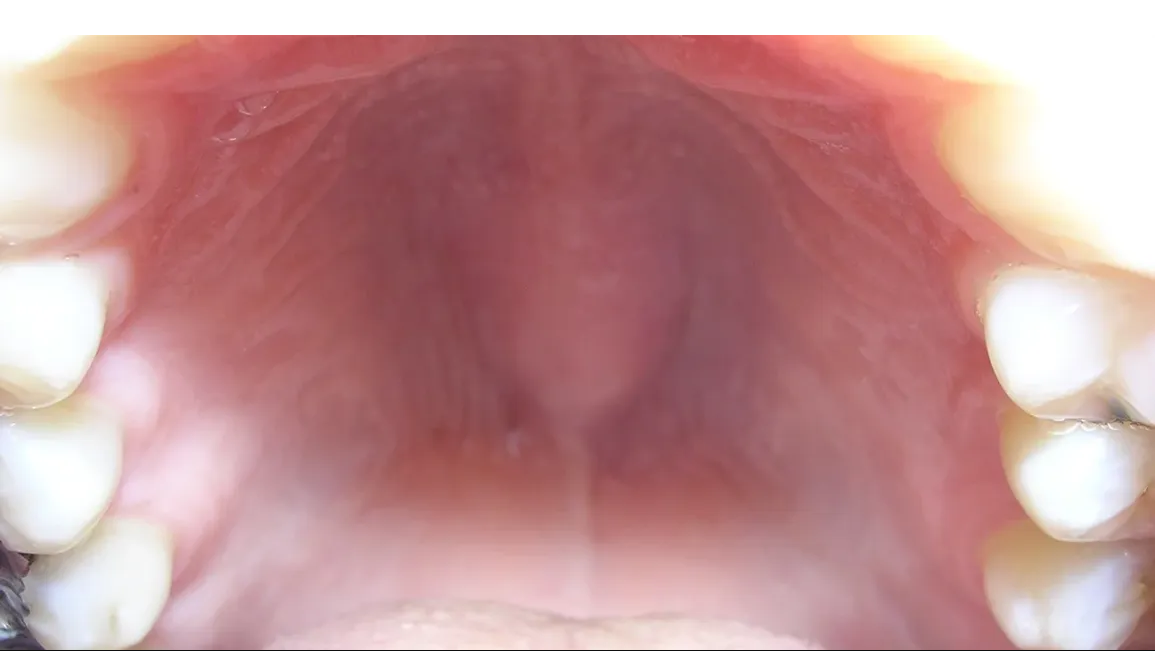
Feeling a lump in roof of mouth hurts can be alarming, especially when accompanied by discomfort during eating, speaking, or swallowing. The roof of the mouth, or palate, is made up of delicate tissues that can become irritated, infected, or swollen for several reasons. Understanding why such a lump forms and how to treat it effectively is essential for oral health. Interestingly, many people also experience that the back roof of mouth hurts when I swallow, which can be closely related to the same underlying issues.
What Does It Mean When a Lump in Roof of Mouth Hurts?
When a lump in roof of mouth hurts, it usually indicates inflammation, infection, or a cystic growth beneath the surface tissue. These lumps may appear soft, hard, or fluid-filled and may cause mild to severe pain depending on their cause. In many cases, this discomfort is similar to when the back roof of mouth hurts when I swallow, as both issues involve irritation in the soft palate or upper oral cavity.
To, find out more visit roofofmouthhurts.com
Common Causes of a Painful Lump in the Roof of the Mouth
A lump in roof of mouth hurts for several possible reasons. Here are the most common causes:
- Mucoceles (Salivary Gland Cysts)
Mucoceles are small, fluid-filled sacs that form when a salivary gland becomes blocked. They often appear as a soft lump and may cause pain or irritation, especially when touched or while eating. - Torus Palatinus (Bone Growth)
This is a harmless bony growth that can develop on the hard palate. While generally painless, it may hurt if it becomes irritated or injured, leading to symptoms similar to when the back roof of mouth hurts when I swallow. - Infections or Abscesses
Bacterial infections in the mouth or sinuses can cause swelling and lumps in the palate. These infections often make swallowing painful and are commonly linked with conditions where the back roof of mouth hurts when I swallow. - Canker Sores or Ulcers
Painful mouth ulcers or canker sores can form on the roof of the mouth due to stress, injuries, or vitamin deficiencies. These sores can cause significant pain, especially during swallowing or speaking. - Burns or Trauma
Eating or drinking very hot foods can burn the soft tissues on the palate, creating a blister-like lump in roof of mouth hurts sensation. This pain is often mistaken for an infection and can also make the back roof of mouth hurts when I swallow. - Oral Cancer (Rare but Serious)
A persistent, painful lump that doesn’t heal over time could be an early sign of oral cancer. It’s essential to seek medical advice if the lump lasts longer than two weeks.
Associated Symptoms
When a lump in roof of mouth hurts, other symptoms may appear, including:
- Swelling or redness in the upper mouth area
- Difficulty swallowing (dysphagia)
- Bad taste or odor in the mouth
- Pain spreading to the throat or ear
- Fever or pus (in case of infection)
These symptoms are similar to situations where the back roof of mouth hurts when I swallow, highlighting the interconnectedness of mouth and throat discomfort.
Home Remedies and Medical Treatments
If a lump in roof of mouth hurts, several effective remedies and treatments can help alleviate pain and promote healing.
- Warm Saltwater Rinse: Gargling with warm saltwater can help reduce inflammation and prevent infection.
- Hydration: Drink plenty of fluids to keep the mouth moist and support healing.
- Cold Compress: Applying a cold compress outside the mouth can relieve swelling and pain.
- Avoid Irritants: Steer clear of spicy, acidic, or hot foods that can worsen irritation.
- Over-the-Counter Medications: Pain relievers like ibuprofen or acetaminophen can help manage discomfort.
- Medical Treatment: For persistent lumps or infections, a dentist or ENT specialist may prescribe antibiotics, drain cysts, or perform minor surgical procedures if needed.
If the back roof of mouth hurts when I swallow along with the lump, it may suggest a deeper infection or throat involvement, requiring immediate professional evaluation.
Prevention Tips
To avoid developing conditions where a lump in roof of mouth hurts, follow these preventive measures:
- Maintain good oral hygiene by brushing twice daily and flossing regularly.
- Use antiseptic mouthwash to eliminate bacteria.
- Avoid tobacco and limit alcohol intake.
- Eat a balanced diet rich in vitamins and minerals to support oral health.
- Schedule regular dental checkups for early detection of oral issues.
When to See a Doctor
You should seek medical advice if the lump in roof of mouth hurts for more than a week, continues to grow, or is accompanied by fever, bleeding, or difficulty swallowing. If you notice that the back roof of mouth hurts when I swallow simultaneously, it could indicate a spreading infection or a serious underlying problem that requires immediate attention.
Conclusion
Having a lump in roof of mouth hurts can be a minor issue or a sign of something more serious, depending on its cause and duration. Whether it’s a cyst, ulcer, or infection, proper care and attention are crucial for relief. If you notice that the back roof of mouth hurts when I swallow, it’s essential to treat both conditions promptly, as they may share similar origins. Maintaining good oral hygiene, staying hydrated, and seeking timely medical help will ensure lasting oral and throat health.
FAQs
1. Why do I have a lump in the roof of my mouth that hurts?
It may be due to cysts, infections, burns, or ulcers in the mouth.
2. Can dehydration cause pain in the roof of my mouth?
Yes, dehydration leads to dry mouth, which can make the tissues more sensitive and painful.
3. Is a lump in the roof of my mouth always cancerous?
No, most lumps are benign, but persistent or painful ones should be checked by a doctor.
4. How is a painful lump in the roof of the mouth treated?
Treatment may include saltwater rinses, medications, or minor surgery, depending on the cause.
5. Why does the back roof of mouth hurt when I swallow along with a lump?
This usually occurs due to infection or inflammation spreading from the palate to the throat.