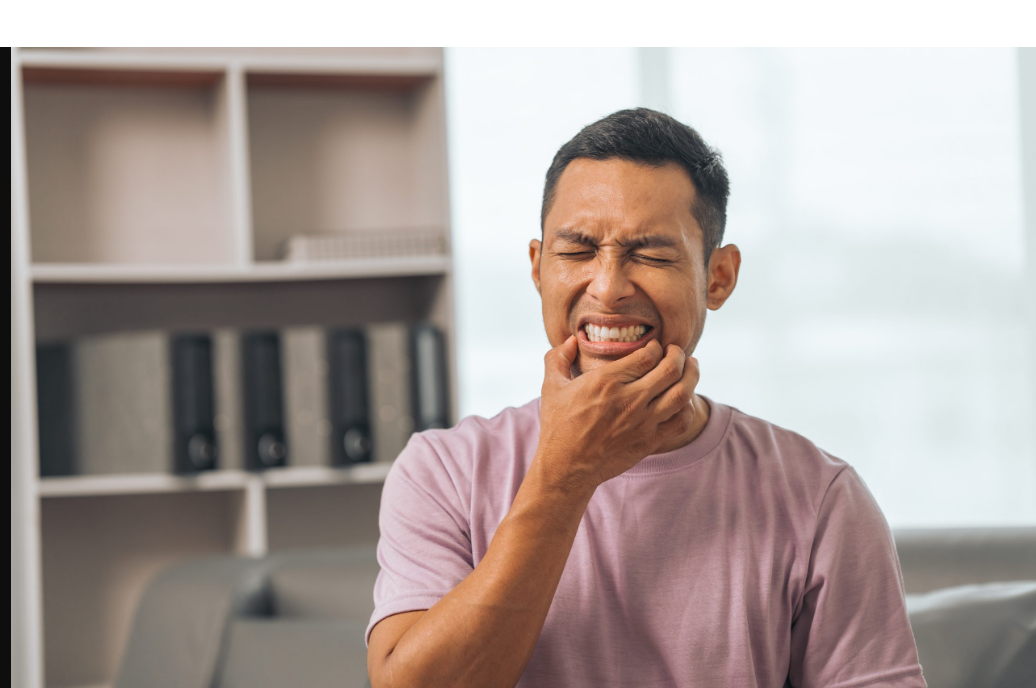
Feeling a bump at roof of mouth hurts can be alarming and uncomfortable, especially when eating, drinking, or swallowing. The roof of your mouth, also known as the palate, is a sensitive area made up of soft and hard tissues. When a painful bump develops, it could indicate anything from mild irritation to an infection or cyst. In this comprehensive guide, we’ll discuss why a bump at roof of mouth hurts, the most common causes, symptoms to look out for, and effective treatment and prevention options.
Understanding Why a Bump at Roof of Mouth Hurts
When a bump at roof of mouth hurts, it’s usually caused by inflammation or swelling in the soft palate or nearby tissues. The pain can range from mild tenderness to sharp discomfort, especially while swallowing or chewing. These bumps can appear as small nodules, cysts, ulcers, or growths. In some cases, the discomfort might also be accompanied by a sore throat, swelling, or burning sensation, depending on the underlying cause.
To, find out more visit roofofmouthhurts.com
Common Causes of a Painful Bump on the Roof of the Mouth
There are several possible explanations for why a bump at roof of mouth hurts, and understanding each can help determine the right treatment.
- Mucoceles (Salivary Gland Cysts)
A mucocele is a small, fluid-filled sac that forms when a salivary gland duct becomes blocked. These cysts often appear as soft, round bumps and can cause discomfort or pain, especially when eating or touching the area. - Canker Sores or Mouth Ulcers
Painful canker sores may develop on the roof of your mouth due to stress, injuries, or vitamin deficiencies. These ulcers can make eating spicy or acidic foods extremely uncomfortable. - Burns from Hot Food or Drinks
One of the most common reasons a bump at roof of mouth hurts is a burn caused by consuming hot beverages or food, such as coffee, soup, or pizza. The heat damages the soft tissues, leading to a blister or sore that feels like a bump. - Infections or Abscesses
Bacterial or viral infections can lead to swelling, redness, and pus-filled bumps on the palate. For example, an infected tooth or sinus issue can cause pain that extends to the roof of the mouth. - Torus Palatinus (Bony Growth)
This is a harmless, hard bony growth that can develop in the center of the hard palate. It’s usually painless but can hurt if it becomes irritated or injured. - Oral Thrush (Fungal Infection)
Oral thrush, caused by the yeast Candida albicans, can result in white patches and bumps on the roof of the mouth. It is often seen in people with weakened immune systems or those using certain medications. - Allergic Reactions
Sometimes a bump at roof of mouth hurts due to an allergic reaction to foods, medication, or environmental triggers. The soft palate may become swollen, itchy, or irritated. - Trauma or Injury
Sharp foods, accidental bites, or dental appliances like braces can cause small injuries that result in painful bumps or swelling.
Symptoms Associated with a Painful Bump
When a bump at roof of mouth hurts, additional symptoms may appear, including:
- Swelling or redness in the palate
- Difficulty swallowing (dysphagia)
- Burning or stinging sensation
- White patches or ulcers
- Fever or bad breath (in case of infection)
- Tender lymph nodes in severe cases
Recognizing these symptoms can help determine whether the condition is mild or requires medical attention.
Home Remedies and Medical Treatments
If a bump at roof of mouth hurts, several remedies and treatments can help relieve the discomfort and promote healing.
- Cold Compress or Ice Chips: Applying something cold can reduce swelling and numb pain.
- Warm Saltwater Rinse: Gargling with warm saltwater helps reduce inflammation and kill bacteria.
- Hydration: Drinking plenty of water prevents dry mouth, which can worsen irritation.
- Avoid Spicy or Acidic Foods: These can aggravate soreness and delay recovery.
- Over-the-Counter Pain Relievers: Medications like ibuprofen or acetaminophen can reduce pain and inflammation.
- Antifungal or Antibiotic Treatment: If caused by oral thrush or a bacterial infection, a doctor may prescribe antifungal or antibiotic medication.
- Dental or Medical Evaluation: Persistent bumps should be examined by a dentist or ENT specialist to rule out cysts, abscesses, or other conditions requiring professional treatment.
Prevention Tips
Preventing situations where a bump at roof of mouth hurts is possible with a few lifestyle adjustments:
- Practice good oral hygiene by brushing and flossing regularly.
- Avoid consuming excessively hot foods or beverages.
- Manage stress to prevent mouth ulcers.
- Eat a balanced diet rich in vitamins and minerals to strengthen immunity.
- Stay hydrated to maintain healthy mouth tissues.
- Avoid tobacco and alcohol, which can irritate the palate.
When to See a Doctor
You should seek medical attention if the bump at roof of mouth hurts for more than a week, continues to grow, or is accompanied by fever, pus, or severe swelling. Persistent pain may indicate an infection, abscess, or other serious oral condition that needs prompt evaluation.
Conclusion
A bump at roof of mouth hurts for various reasons—ranging from minor burns and cysts to infections or allergic reactions. Most cases are harmless and heal on their own, but it’s important to monitor symptoms and practice good oral care. Using home remedies like saltwater rinses, maintaining hydration, and avoiding irritants can help relieve discomfort. However, if the bump at roof of mouth hurts persistently or becomes more painful, consulting a healthcare professional ensures accurate diagnosis and proper treatment. Maintaining oral hygiene and healthy habits is the best way to prevent future discomfort and ensure long-term oral health.
FAQs
1. Why do I have a bump at the roof of my mouth that hurts?
It may be caused by burns, cysts, infections, mouth ulcers, or injuries to the palate.
2. Can dehydration cause a bump on the roof of my mouth?
Yes, dehydration can dry out mouth tissues, making them more prone to irritation and swelling.
3. How long does it take for a painful bump on the roof of the mouth to heal?
Most minor bumps heal within a few days, but infections may require medical treatment and take up to a week or more.
4. Is a bump at the roof of the mouth dangerous?
Most bumps are harmless, but persistent, growing, or painful ones should be checked by a dentist or doctor.
5. What foods should I avoid if a bump at roof of mouth hurts?
Avoid spicy, acidic, or very hot foods that can irritate the affected area and slow healing.