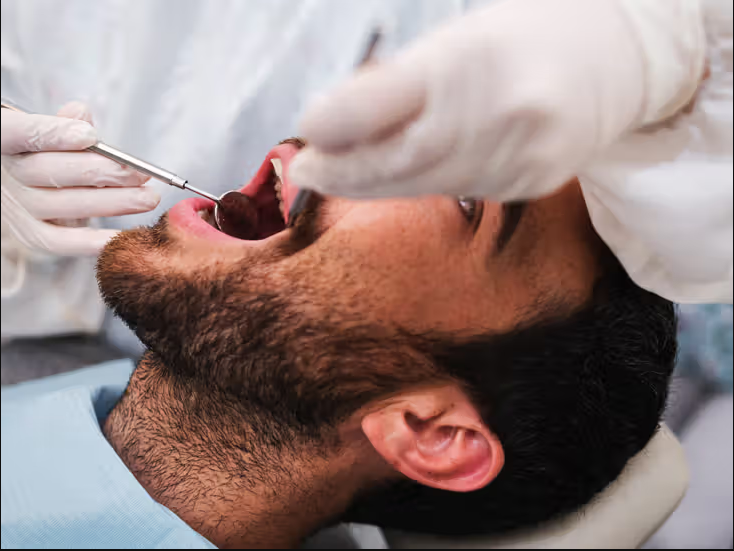
When you ask, why does roof of my mouth hurt when I eat, the pain could originate from either the hard palate (front portion) or the soft palate (back area). This discomfort might appear suddenly or develop gradually depending on what’s irritating the tissues. It can make eating, drinking, or even speaking painful. Identifying the exact cause is essential for effective treatment and long-term relief.
Common Causes of Roof of Mouth Pain While Eating
- Burns from Hot Foods or Drinks
One of the most common reasons why does roof of my mouth hurt when I eat is because of burns caused by hot foods like pizza, coffee, or soup. The delicate tissue on the palate can blister or peel, leading to soreness and irritation. These burns usually heal within a few days, but severe burns may require medical attention. - Canker Sores (Aphthous Ulcers)
Canker sores are small, round ulcers that can appear on the roof of the mouth, making it painful to eat spicy or acidic foods. If you’ve been stressed, injured your mouth, or have a vitamin deficiency, these sores could be the reason why does roof of my mouth hurt when I eat. - Dehydration and Dry Mouth
A dry mouth (xerostomia) can make the tissues on the palate feel sore and irritated. When saliva production is low—due to dehydration, medications, or mouth breathing—food friction can cause discomfort. If you often wonder why does roof of my mouth hurt when I eat, dryness might be a hidden culprit. - Oral Thrush or Fungal Infections
A yeast infection known as oral thrush can lead to a sore, white-coated palate. The infection can cause burning sensations and make eating uncomfortable. If the roof of the mouth pain persists, medical antifungal treatment might be necessary. - Allergic Reactions
Sometimes, why does roof of my mouth hurt when I eat can be linked to an allergic reaction. Foods like nuts, shellfish, or dairy can trigger an immune response, leading to swelling and pain in the mouth. - Sinus or Dental Infections
If you’re dealing with sinus pressure, tooth infections, or gum disease, the pain can radiate to the roof of your mouth. In such cases, chewing or eating can make the discomfort worse. - Injury or Irritation from Sharp Foods
Crunchy or hard foods such as chips or crackers can scratch or injure the palate, causing temporary pain. These small abrasions can make eating irritating until the tissue heals.
Symptoms That May Accompany Roof of Mouth Pain
When you notice the roof of my mouth hurts when I eat, you might also experience:
To, find out more visit roofofmouthhurts.com
- Swelling or redness in the palate area
- White patches or sores
- Burning or tingling sensations
- Difficulty swallowing or chewing
- Dryness or rough texture in the mouth
Home Remedies for Relief
- Rinse with Salt Water
Mix half a teaspoon of salt in warm water and rinse your mouth gently. This natural remedy helps reduce bacteria, inflammation, and pain. - Avoid Hot and Spicy Foods
If you’re dealing with roof of mouth pain, avoid hot, spicy, or acidic foods that can worsen irritation. - Use Cold Compress or Ice Chips
Holding a cold compress or sucking on ice chips can help numb the area and soothe inflammation. - Stay Hydrated
Drink plenty of water throughout the day to maintain saliva flow and prevent dryness. - Try Antiseptic or Numbing Mouthwash
Using an alcohol-free antiseptic mouthwash or gels containing benzocaine or lidocaine can help relieve pain and prevent infection.
Medical Treatments for Persistent Pain
If the question why does roof of my mouth hurt when I eat keeps troubling you for more than a few days, it’s best to visit a dentist or healthcare professional. They may prescribe:
- Antibiotics for bacterial infections
- Antifungal medication for oral thrush
- Anti-inflammatory or corticosteroid creams for ulcers
- Allergy testing if reactions are suspected
Prevention Tips
To avoid future cases of roof of mouth pain, follow these steps:
- Let food cool before eating.
- Practice good oral hygiene to prevent infections.
- Avoid tobacco, alcohol, and excessive caffeine, which can irritate tissues.
- Stay hydrated and eat foods rich in vitamins B12, C, and iron.
- Schedule regular dental checkups for preventive care.
When to See a Doctor
You should seek medical attention if the pain lasts longer than a week, if you develop white patches, swelling, fever, or bleeding, or if eating becomes too painful. Persistent pain could signal an infection or an underlying health issue requiring treatment.
Conclusion
If you’ve been asking yourself, why does roof of my mouth hurt when I eat, the cause is likely irritation, burns, or mild infection. However, chronic or severe pain might indicate deeper dental or sinus problems. Simple home remedies like saltwater rinses, hydration, and avoiding hot foods can provide quick relief. Maintaining good oral hygiene and consulting a professional when symptoms persist ensures your mouth stays healthy and pain-free.
FAQs
1. Why does roof of my mouth hurt when I eat spicy food?
Spicy foods can irritate sensitive tissues, especially if the palate is already inflamed or dry.
2. Can dehydration make the roof of my mouth hurt when eating?
Yes, dehydration reduces saliva, which leads to friction and soreness while eating.
3. Why does roof of my mouth hurt when I eat and swallow?
This may occur due to burns, ulcers, or infections that become painful when exposed to food or movement.
4. How can I heal a sore roof of mouth fast?
Use cold compresses, salt water rinses, and avoid spicy foods to speed up recovery.
5. When should I see a doctor for roof of mouth pain?
If pain lasts more than a week or you see white patches, swelling, or fever, visit a doctor for diagnosis and treatment.