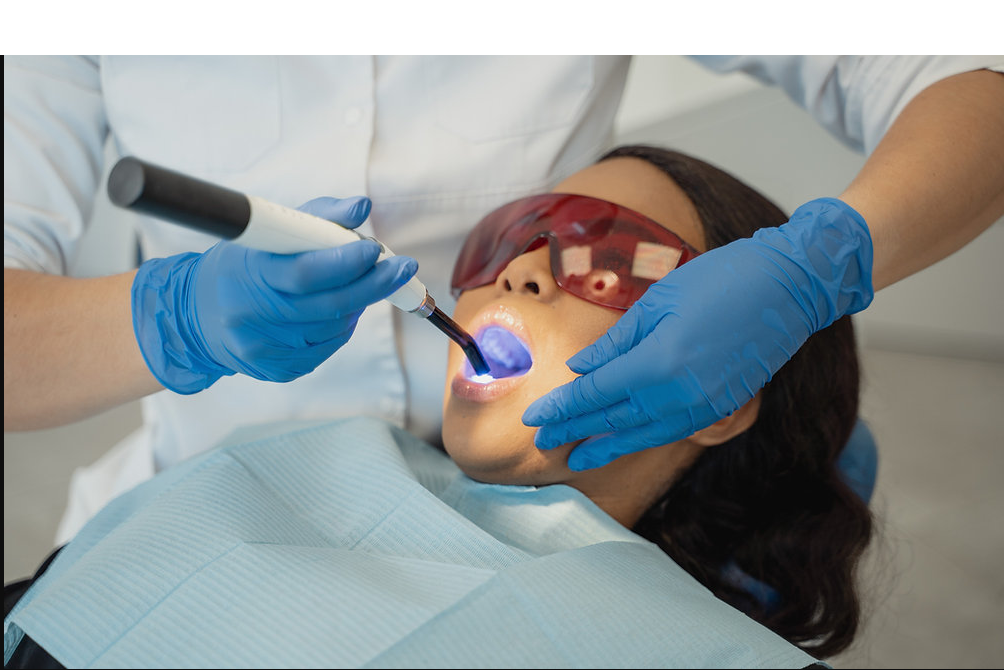
Feeling discomfort in your mouth can be alarming, especially when you wonder, “why do the roof of my mouth hurt?” This type of pain can interfere with eating, drinking, or even talking. The roof of your mouth, or the palate, consists of sensitive tissues that can easily become irritated or inflamed. Understanding the common causes of this pain helps you identify whether it’s a minor irritation or something more serious that requires medical attention.
Understanding Why Do the Roof of My Mouth Hurt
When you ask, “why do the roof of my mouth hurt,” it’s often because of inflammation or irritation of the soft and hard palate. The pain can result from burns, infections, allergies, or trauma. The roof of the mouth plays an essential role in speech, swallowing, and separating the nasal and oral cavities, making it vulnerable to various irritants. This discomfort can appear as soreness, swelling, or even the presence of small bumps or ulcers.
To, find out more visit roofofmouthhurts.com
Common Reasons Why Do the Roof of My Mouth Hurt
- Burns from Hot Foods or Drinks
A very common answer to “why do the roof of my mouth hurt” is thermal burns. Consuming overly hot coffee, pizza, or soup can scald the delicate palate tissue, causing redness and tenderness. This pain usually subsides within a few days as the tissue heals naturally. - Canker Sores (Aphthous Ulcers)
Canker sores are small, painful ulcers that can appear on the roof of the mouth. They often develop due to stress, vitamin deficiencies, or minor injuries. When these sores form, they make eating or drinking uncomfortable and may take a week or more to heal. - Oral Thrush (Yeast Infection)
If you’re wondering “why do the roof of my mouth hurt” and notice white patches or a burning sensation, it could be oral thrush. This fungal infection is caused by an overgrowth of Candida albicans. It’s more common in people with weakened immune systems, diabetes, or those taking antibiotics or corticosteroids. - Dehydration and Dry Mouth
A lack of saliva can lead to dryness and irritation in the mouth. Dehydration, excessive caffeine, or mouth-breathing can cause the tissues in the palate to crack and become sore, making you wonder “why do the roof of my mouth hurt.” - Infections and Abscesses
Bacterial infections, particularly those associated with dental abscesses or sinus infections, can cause pain that radiates to the roof of the mouth. These infections may also cause swelling, fever, and bad breath, requiring prompt medical attention. - Allergic Reactions or Food Sensitivity
If the roof of your mouth hurts after eating certain foods, you might be experiencing an allergic reaction. Common triggers include nuts, shellfish, and spicy foods, which can cause inflammation, swelling, or itching in the palate area. - Injury or Trauma
Accidentally eating sharp foods like chips or hard candy can scrape or injure the roof of your mouth, leading to pain or swelling. In some cases, dentures or dental appliances can also irritate the palate.
Symptoms That May Accompany Roof of Mouth Pain
When exploring “why do the roof of my mouth hurt,” it’s essential to note any accompanying symptoms that help identify the cause. Common signs include:
- Swelling or redness in the palate
- White patches or blisters (indicating fungal infection)
- Ulcers or sores on the roof of the mouth
- Burning or tingling sensations
- Difficulty swallowing or chewing
- Fever or foul taste, especially if an infection is present
Treatments for Roof of Mouth Pain
If you’re experiencing discomfort and wondering “why do the roof of my mouth hurt,” several home remedies and professional treatments can help relieve pain:
- Cold Compress or Ice Chips: Cooling the affected area helps reduce inflammation and provides instant relief.
- Saltwater Rinse: Mix one teaspoon of salt in a glass of warm water and rinse to cleanse and disinfect the mouth naturally.
- Topical Oral Gels: Use numbing gels containing lidocaine or benzocaine to ease pain temporarily.
- Stay Hydrated: Drink plenty of water to prevent dry mouth and speed up healing.
- Avoid Spicy and Acidic Foods: These foods can aggravate sores or burns on the palate.
- Antifungal or Antibiotic Treatment: If infections like oral thrush or bacterial abscesses are the cause, consult a doctor for proper medication.
- Good Oral Hygiene: Brush gently twice a day and floss regularly to prevent bacterial buildup.
Prevention Tips
To avoid future instances of asking “why do the roof of my mouth hurt,” follow these preventive measures:
- Allow hot food and beverages to cool before consuming.
- Maintain proper oral hygiene to prevent infections.
- Stay hydrated to keep mouth tissues moist.
- Eat a balanced diet rich in vitamin B12, zinc, and iron to prevent mouth ulcers.
- Avoid tobacco and alcohol, as they can irritate the palate.
- Visit your dentist regularly for early detection of oral issues.
When to See a Doctor
If the roof of your mouth hurts for more than a week, or you experience symptoms like persistent sores, swelling, or fever, it’s best to consult a healthcare professional. Persistent pain could be a sign of a dental abscess, fungal infection, or other medical condition that needs prompt treatment.
Conclusion
Understanding “why do the roof of my mouth hurt” helps you take the right steps toward relief and prevention. While mild pain often results from burns or irritation, persistent or severe discomfort can signal an underlying problem. Practicing good oral hygiene, staying hydrated, and avoiding irritants are key to maintaining a healthy palate. If the pain persists, seek professional care to ensure your mouth stays healthy and pain-free.
FAQs
1. Why do the roof of my mouth hurt after eating?
It may be due to burns from hot food, allergic reactions, or canker sores caused by certain foods.
2. Can stress cause pain in the roof of my mouth?
Yes, stress can trigger canker sores and weaken the immune system, making mouth tissues more prone to irritation.
3. How long does it take for the roof of the mouth to heal?
Minor burns or ulcers usually heal in 3–7 days, but persistent pain may need medical attention.
4. Can dehydration cause soreness in the roof of the mouth?
Yes, dehydration reduces saliva production, leading to dryness and irritation in the palate.
5. When should I see a dentist for roof of mouth pain?
See a dentist if the pain lasts longer than a week, if sores multiply, or if you experience swelling, fever, or difficulty swallowing.