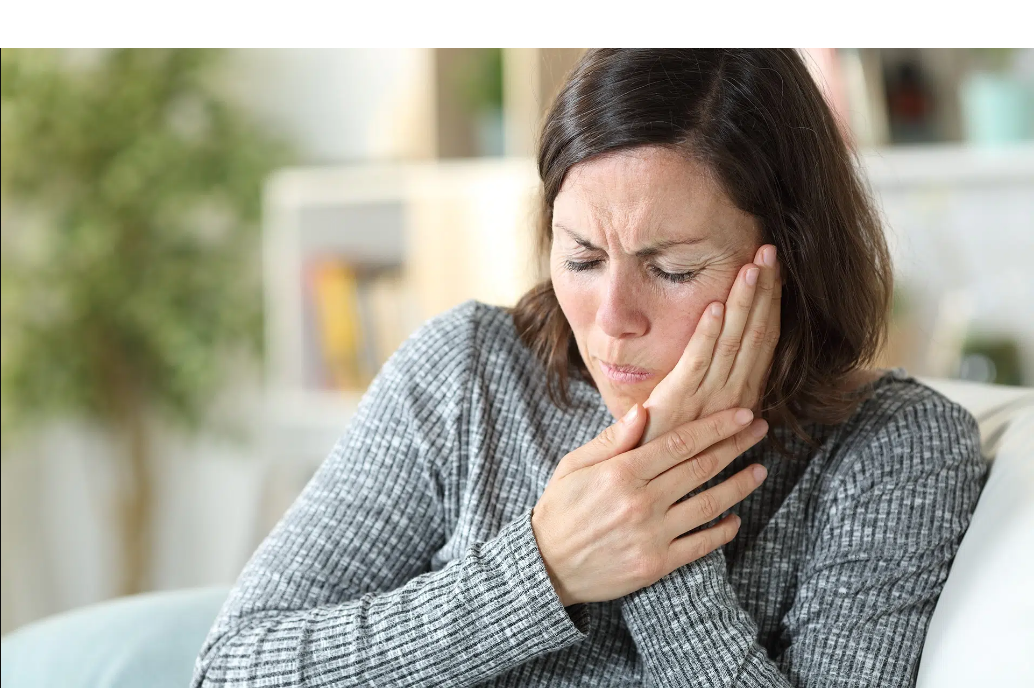
Experiencing discomfort in your mouth can be alarming, especially when the roof of mouth hurts when eating dehydration becomes a persistent issue. This condition often arises when the body lacks sufficient fluids, leading to dryness and sensitivity in the mouth’s tissues. Understanding the link between dehydration and oral pain is key to preventing and treating this problem effectively.
Understanding Why the Roof of Mouth Hurts When Eating Dehydration
The roof of mouth hurts when eating dehydration primarily because a lack of moisture in the mouth leads to irritation of the soft palate and mucous membranes. When the body is dehydrated, it produces less saliva, which is essential for lubricating and protecting the mouth. Without enough saliva, the tissues in the roof of the mouth become dry, inflamed, and more sensitive to certain foods.
Other factors that can worsen this condition include hot or spicy foods, mouth breathing, and prolonged exposure to dry air. Dehydration not only affects the mouth but also contributes to bad breath, cracked lips, and overall discomfort while eating.
To, find out more visit roofofmouthhurts.com
Common Causes of Roof of Mouth Pain Due to Dehydration
While dehydration is the main trigger, several related issues can make the roof of mouth hurts when eating dehydration worse. Common causes include:
- Inadequate fluid intake throughout the day.
- Excessive caffeine or alcohol consumption leading to fluid loss.
- Fever or illness that causes increased sweating and fluid depletion.
- Medications that cause dry mouth (xerostomia) as a side effect.
- Sinus infections or nasal congestion that lead to mouth breathing.
Recognizing these factors early can help you address the root cause of roof of mouth hurts when eating dehydration before it worsens.
Symptoms of Roof of Mouth Pain Caused by Dehydration
The symptoms associated with this condition are often easy to identify. Some of the most common include:
- Dryness or sticky feeling in the mouth
- Pain or burning sensation on the roof of the mouth
- Difficulty chewing or swallowing
- Cracked lips or dry tongue
- Thick or stringy saliva
- Sore throat or mild inflammation
These symptoms indicate that your mouth is lacking moisture and may require prompt rehydration or other treatments.
Home Remedies for Roof of Mouth Hurts When Eating Dehydration
If you’re dealing with roof of mouth hurts when eating dehydration, there are several simple home remedies that can provide quick relief and promote healing.
1. Increase Water Intake
The most effective and natural solution is to drink plenty of water throughout the day. Staying hydrated restores the mouth’s natural moisture balance and prevents dryness.
2. Use a Humidifier
Dry air can worsen dehydration-related oral discomfort. Running a humidifier in your room helps maintain optimal moisture levels in the air, especially while sleeping.
3. Avoid Caffeine and Alcohol
Both caffeine and alcohol act as diuretics, increasing fluid loss from the body. Reducing consumption can significantly improve hydration levels.
4. Rinse with Salt Water
A warm saltwater rinse can soothe the irritated tissues of the mouth and reduce inflammation. Mix one teaspoon of salt in a glass of warm water and swish for 30 seconds before spitting it out.
5. Eat Water-Rich Foods
Include foods like cucumbers, melons, and oranges in your diet. These foods are high in water content and help restore hydration naturally.
Medical Treatments for Persistent Mouth Pain
If roof of mouth hurts when eating dehydration does not improve with home remedies, it’s important to consult a healthcare provider. They may recommend:
- Saliva substitutes or mouth moisturizers to keep your mouth hydrated.
- Medications to stimulate saliva production.
- Electrolyte solutions to replenish body fluids.
- Evaluation for underlying conditions such as diabetes or thyroid issues that can cause chronic dehydration.
Professional evaluation ensures that the roof of mouth hurts when eating dehydration is managed effectively and prevents long-term oral damage.
Preventive Measures
To prevent the recurrence of roof of mouth hurts when eating dehydration, consider these preventive tips:
- Drink 8–10 glasses of water daily.
- Limit intake of salty, spicy, and acidic foods.
- Maintain good oral hygiene using alcohol-free mouthwash.
- Breathe through your nose instead of your mouth.
- Avoid smoking or using tobacco products, which can dry out the mouth.
When to See a Doctor
You should seek medical attention if:
- Pain persists for more than a week despite hydration efforts.
- You notice sores, white patches, or swelling in your mouth.
- Dehydration is accompanied by fatigue, dizziness, or rapid heartbeat.
These symptoms may indicate a more serious condition requiring professional treatment.
Conclusion
The discomfort caused when the roof of mouth hurts when eating dehydration can often be relieved with proper hydration, a balanced diet, and oral care. However, persistent dryness or pain may point to an underlying health issue that needs medical evaluation. Staying hydrated, avoiding irritants, and maintaining oral hygiene are the most effective ways to ensure long-term relief and mouth health.
FAQs
1. Why does dehydration cause pain in the roof of the mouth?
Dehydration reduces saliva production, leading to dryness and irritation of the mouth tissues.
2. How can I relieve the pain quickly?
Drink plenty of water, use a humidifier, and avoid spicy or acidic foods until the irritation subsides.
3. Can dehydration lead to mouth sores?
Yes, severe dehydration can cause cracks or sores in the mouth due to a lack of moisture.
4. How much water should I drink daily to prevent dehydration?
Most adults should drink 8–10 glasses of water daily, though individual needs vary based on activity level and climate.
5. When should I visit a doctor for dehydration-related mouth pain?
If the roof of mouth hurts when eating dehydration persists for more than a week or worsens despite rehydration, consult a doctor for evaluation.